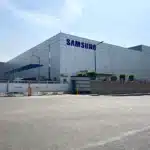
Shifting production to Vietnam, Apple pushes automation despite US tariff exemptions and ongoing supply chain diversification efforts.
Apple is continuing its strategic shift in production away from China, despite receiving broad US tariff exemptions on its imported products. Industry insiders suggest that the company’s relocation efforts, especially for its Mac lineup, remain firmly on track, focusing on two core priorities: geographic diversification and increased automation.
Vietnam has emerged as a key hub for Apple’s Mac production. Major suppliers such as Quanta and Foxconn have already established facilities in the country, initiating limited Mac assembly. While volumes are still relatively small, they are expected to grow significantly, with Quanta recently expanding operations in Nam Dinh Province.
Alongside relocation, Apple is ramping up pressure on suppliers to automate production. Sources say the company has made automation a non-negotiable condition for continued business. This push is designed to maintain consistent product quality across sites in Vietnam, India, and other regions, regardless of local labor conditions.
Apple’s diversification strategy gained momentum in 2024 amid renewed trade tensions under a second Trump administration. Following its pledge to increase US investment to $600 billion over four years, the company was granted wide-ranging tariff exemptions, including for products assembled in China.
Despite this, Apple continues to expand its “China+1” strategy, splitting production between India and Vietnam. While iPhones are increasingly made in India, Macs, iPads, and AirPods are gradually shifting to Vietnam.