With India yet to register a single electric ambulance, the Centre turns to states to shape subsidy plans, aiming to cut fuel use and emissions.
A year after the launch of the government’s flagship PM E-Drive scheme, subsidies for electric and hybrid ambulances remain unresolved. Despite a ₹5 billion allocation, no commercial models have yet entered production.
Officials said the Ministry of Heavy Industries will consult states to assess demand, operating costs, and deployment potential before fixing the incentive structure. Ambulances are among the highest fuel consumers on Indian roads, but India has yet to register a single electric ambulance. Hybrid models are also scarce.
Launched in October 2023 with a budget of ₹109 billion, PM E-Drive has seen strong adoption in two- and three-wheelers. Other categories, including trucks and buses, have lagged. The scheme has now been extended until FY28 to address gaps in charging infrastructure, heavy vehicle adoption, and ambulance electrification.
Data from the government’s Vahan registry shows that 10,000-12,000 new ambulances join Indian roads annually. Most run on diesel. Experts highlight that ambulances under the National Health Mission cover 120-200km daily, comparable to urban taxis, making them a prime case for electrification.
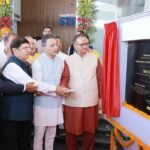
According to a Mint report, manufacturers have begun to show interest. Maruti Suzuki has recently developed a hybrid ambulance prototype, which was showcased to Prime Minister Narendra Modi, while Force Motors is testing its own model. Neither has reached the sales stage.
Analysts caution that calculating total cost of ownership (TCO) is complex. Factors such as upfront costs, battery replacements, operating distance, maintenance and insurance vary by ambulance type. Basic life support vehicles, advanced life support units, and critical care ambulances each have distinct cost structures.
The government is determined to push cleaner alternatives given the high utilisation and emissions from conventional ambulances. However, final subsidy details are unlikely to be available until demand studies and cost assessments are completed in collaboration with state governments.