According to the report, while incomes of lease-based and salary-based freight drivers increased by 25 percent, and 23 percent respectively, the income for owner-cum-drivers decreased by 41%.
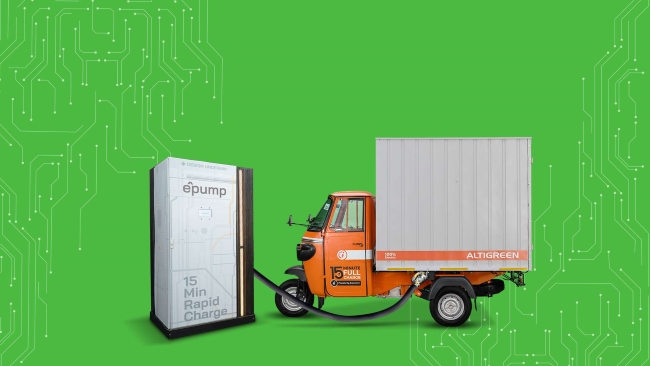
A new report by Smart Freight Centre and Shell foundation, titled “ Driving Income Uplift: Designing Inclusive EV Financing for India’s Freight Drivers”, finds that switching from ICE (internal combustion engine) to EV, may raise incomes of freight drivers by 25% but financing terms decide, who actually benefits.
The survey of over 1500 drivers, across 11 Indian states found that while income of lease-based and salary-based freight drivers increased by 25 percent and 23 percent respectively, the income of owner-cum-drivers decreased by 41%.
The report classified the drivers into three operating models with different financing obligations, utilization risks and owner benefits.
It was found that salary-based freight drivers, who get a fixed income, have a stable but limited earning potential. Lease-based drivers, who operate through platform-linked leases, have their income tied to utilization. The biggest risk is incurred by owner-cum-drivers, who operate their vehicles independently but where EMI payments are the biggest cost factor.
Independent drivers, the report said, face interest rates ranging from 16 to 19 percent, reflecting lenders’ perception of technology risks and borrower’s creditworthiness.
“Independent owner-cum-drivers face a combination of higher financing costs, utilisation challenges and market uncertainty. Unlike drivers operating under structured lease or salary models, they carry most of the financial and operational risk themselves. The encouraging finding is that this is not a limitation of electric mobility itself. It is a market design challenge.” said Dr. Christoph Wolff, CEO Smart Freight Centre.
With ICE vehicles, fuel prices are the biggest risk factor, whereas with EVs, the dependencies shift to vehicle utilisation, financing terms and charging infrastructure.
The report calls for financial institutions to move from “cautious participation to active market enablers”. It proposes longer loan tenures (around six years), alternative credit assessments using platform utilisation and earning data as important factors.
“Many lenders are still assessing EV freight through a traditional risk lens. They see limited credit histories, informal income patterns and relatively new vehicle technologies, and that translates into higher perceived risk. We think there is a significant opportunity to use alternative data — including verified earnings, trip volumes and utilisation records from logistics platforms — to better understand repayment capacity.” said Amresh Sharma, Business Development Advisor for transport portfolio at Shell Foundation.
Both Sharma and Wolff point out that if owner-cum-drivers continue to see weak returns, EV adoption could concentrate among organised fleets and platform-linked drivers, leaving independent freight operators behind.