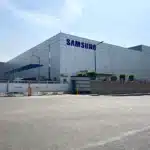
Unless they build on US soil, overseas chipmakers face a massive 100% import tax.
In a bold move to ramp up domestic manufacturing, US President Donald Trump announced plans to impose a whopping 100% tariff on semiconductor chips imported from countries that neither produce in the United States nor have concrete plans to do so.
The new tariff rate would apply to all the chips and semiconductors coming into the country. However, this would not apply to the companies that are already manufacturing chips in the US or planning to start soon. This exemption immediately lifted pressure on share prices of American tech leaders and Asian chip firms, pushing markets higher.
Tech stocks jumped across the board, with companies like Apple, Nvidia, and major chip suppliers seeing strong gains. This happened as concerns over the new tariffs faded, due to exceptions for companies investing in the US. Even though the tariff was announced, US stock futures still went up. The investors believe the move could help local manufacturing without depriving tech company values right away.
In 2022, Congress launched a $52.7 billion initiative to support semiconductor manufacturing and research in the US. As part of this effort, the Commerce Department under President Joe Biden successfully persuaded all five top advanced chipmakers to set up production facilities within the country.
The Commerce Department noted that the US share of global semiconductor production had declined to about 12% in recent years, compared to 40% in 1990.