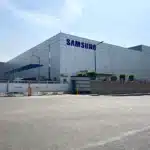
In between tightening US export curbs, Samsung and SK Hynix gain annual licences to send chip tools to China, easing pressure while spotlighting AI-fuelled memory demand.
The United States government has approved annual licences allowing South Korean chipmakers Samsung Electronics and SK Hynix to import semiconductor manufacturing equipment for their operations in China through 2026.
The move offers short-term reassurance to the companies as they navigate tightened US export controls targeting China’s access to advanced technology.
According to CNBC reports, Washington has introduced an annual approval framework for exporting chipmaking tools to China. The decision follows the earlier withdrawal of broad waiver permissions that had previously allowed certain technology companies to ship equipment without fresh licence applications.
Samsung, SK Hynix and Taiwan Semiconductor Manufacturing Company (TSMC) had earlier benefited from exemptions under the ‘validated end user’ status. However, this privilege is set to expire on 31 December. After that deadline, US export licences will be required for any American chip manufacturing tools destined for their Chinese facilities.
While Samsung and SK Hynix declined to comment, and TSMC did not respond, the US Department of Commerce was also unavailable outside business hours.
The move comes amid Washington’s continued efforts to curb China’s access to advanced semiconductor technologies. The policy stance has intensified; with the current administration reassessing export frameworks it believes were too lenient in the past.
The objective remains to limit strategic technological capabilities while managing economic and industry implications.
China remains a critical manufacturing hub for Samsung and SK Hynix, particularly for conventional memory chips. These components are in heightened demand due to rapid AI infrastructure expansion and tightening global supply.
Analysts say the licences provide operational continuity but underline the uncertainty facing global chip supply chains as geopolitical scrutiny increases.
For now, the approval offers breathing space to South Korea’s leading chipmakers.