
Thailand is approaching Japanese semiconductor companies to bring more chip design, development and advanced manufacturing work into the country, while building a skilled local workforce.
Thailand wants Japanese semiconductor companies, including Rapidus and Sony, to play a greater role in developing its domestic chip industry. Deputy Prime Minister and Finance Minister Ekniti Nitithanprapas led a delegation to Tokyo for the Thailand–Japan Semiconductor Strategic Partnership Roundtable, where the focus was on bringing Japanese technology and expertise into Thailand.
The offer includes project-specific grants, tax incentives and faster government clearances through Thailand FastPass. The country is also addressing the shortage of skilled workers. Its Siam Silica programme aims to train at least 86,000 semiconductor workers by 2030. Under Skill Bridge, companies can identify the skills they need and help shape the relevant training courses.
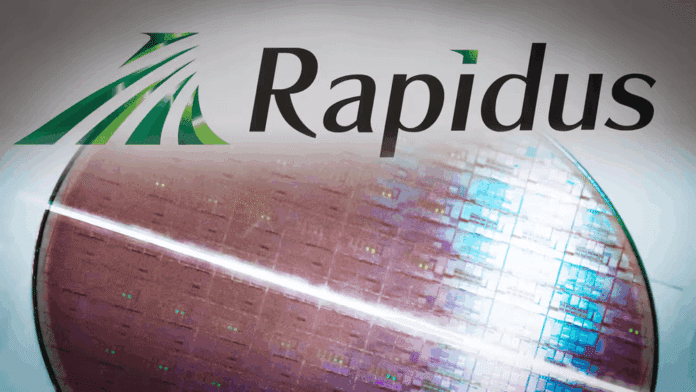
Rapidus was among the companies approached. The Japanese chipmaker aims to manufacture 2nm chips for use in artificial intelligence (AI), data centres, autonomous vehicles and intelligent robots. Executives from 11 Japanese semiconductor-related companies took part in the discussions, including representatives from Sony Semiconductor Solutions, Canon Machinery and Nagase.
There is already a sizeable Japanese investment pipeline in Thailand. Between 2023 and September 2026, Japanese investors filed 108 applications for investment promotion worth more than THB59 billion. These included 11 semiconductor-device and integrated-circuit manufacturing or testing projects valued at over THB10 billion, along with 11 PCB and component projects worth more than THB18 billion.
Thailand’s National Semiconductor and Advanced Electronics Strategy sets an investment target of at least THB500 billion by 2030 and more than THB2.5 trillion by 2050. The immediate priorities are advanced packaging, stronger IC design capabilities and groundwork for wafer manufacturing. These are national targets; they do not represent investment commitments from the Japanese companies involved in the discussions.