
Japan is considering Sri Lanka as a base for automotive electronics manufacturing. Lanka Harness’s export record and spare production capacity could make the country an option for Japanese companies looking to serve India and other regional markets.
Japan is looking at the proposed Japan-India-Sri Lanka economic corridor to expand export manufacturing and strengthen supply links across the three countries. The initiative, led by Japan’s Ministry of Economy, Trade and Industry (METI) and Japan External Trade Organisation (JETRO), is intended to create more opportunities for industrial and trade cooperation.
The interest comes as Japanese Ambassador to Sri Lanka Akio Isomata visited Lanka Harness Ltd. at the Biyagama Export Processing Zone. He described the company’s precision manufacturing capabilities and quality standards as impressive.
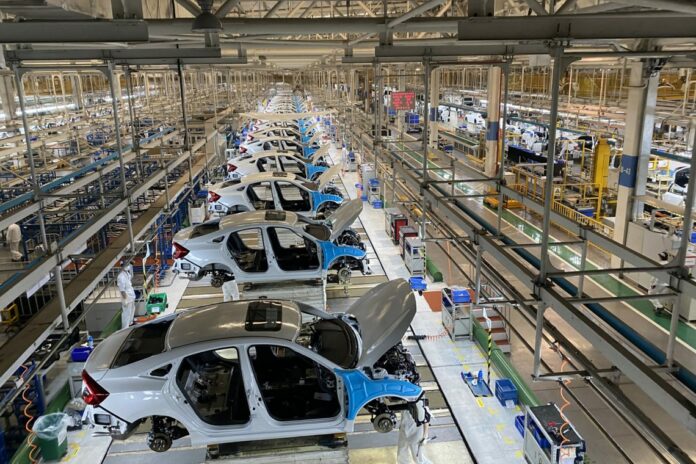
Lanka Harness makes automotive electronic wire harnesses and safety components, including impact sensors for airbags and seatbelts. It supplies major global automotive companies and exports to 17 countries, including Japan, India, China and Romania. The company earns more than US$80 million in annual revenue and provides around 1,000 direct and indirect jobs.
Its Executive President, Dr. Rohan Pallewatta, believes Sri Lanka could build a US$5 billion automotive components export industry. He sees the proposed corridor as an opportunity for Japanese manufacturers looking to enter India’s automotive supply chain. Under the Indo-Lanka Free Trade Agreement (FTA), products meeting the requirement of at least 35% domestic value addition qualify for preferential market access to India.
“Attracting next wave of investment would depend on a predictable policy environment, competitive energy costs and incentives to expand manufacturing capacities,” said Dr. Pallewatta.
Lanka Harness has recently completed a new factory, with production capacity available for additional orders from Japanese manufacturers, including companies considering operations in India. The company began operations in 2002 with an initial Japanese investment of US$8 million. It now maintains a defect tolerance of one part per million.