Qualcomm Incorporated, through Qualcomm Wireless Reach™, Nexleaf Analytics, in collaboration with The Energy and Resources Institute New Delhi (TERI), Project Surya and the UK Department for International Development (DFID), today announced that they have worked together on the development of SootSwap, a mobile application for monitoring the use and incentivizing the adoption of clean cooking technologies.
Approximately three billion people depend on traditional cook stoves for their cooking needs. The Global Burden of Disease Study 2010[1] estimates that four million people die each year as a result of inhaling the smoke produced by cooking over these open fires. Switching to clean-burning cookstoves can reduce the amount of firewood used in open fires, as well as the amount of smoke indoors and outdoors. This could lead to improved health for the women and children who have shown to be the most exposed to the smoke.
Dr. Leena Srivastava, Executive Director, TERI and Vice Chancellor, TERI University said “I am delighted to be part of such a wonderful event. The SootSwap technology is one of the finest example of technology breakthrough through a private-public-research partnership. It will facilitate more families in using clean cookstoves and ultimately lead to the broad adoption of clean cooking technologies. I am confident that it will immensely help in reaching out to the poorest of the poor”.
Mr. I.H. Rehman, Director, Social Transformation Division, TERI said ” The SootSwap application developed is not a major invention but a small gadget that has the potential to take some first steps in mitigating the drudgery of rural women . I am confident that it has the potential to take a giant leap in transforming the lives of women who spend hours in a smoky kitchen tending to the basic nutritional needs of their families”
At a cost of approximately US$50 – US$100 (Rs. 2700 – 5500) each, clean cookstoves are currently unaffordable for the estimated three billion people worldwide living on less than USD$2 a day. Registered carbon credit programs are beginning to provide financial incentives for reducing carbon emissions through the use of clean cookstoves. Estimates suggest that a family could earn enough money selling carbon credits on the carbon market to directly finance the purchase price of a clean cookstove within two to five years through a loan. However, it is difficult and expensive to verify the reduction in carbon emissions produced by clean cookstoves, making it a challenge to apply carbon credits to the use of improved cooking technologies.
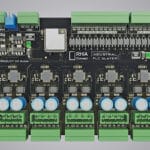
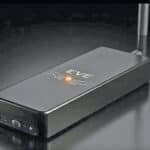
To address this issue, the SootSwap system includes a mobile phone-based temperature-sensing application and a thermal sensor that connects to a Brew™ CDMA or Android phone. Each time the cookstove is fired up, the temperature increase activates the sensor. This temperature data is then wirelessly uploaded from the cellphone to a server where it is analyzed to indicate the number of times a stove is used and the duration of each use, enabling remote verification of stove usage. This capability will create an opportunity to make data available to carbon market investors as proof of reduction in carbon emissions. Investors can then purchase the validated credits and transmit money directly to the families using the clean cookstoves.
Over the past three years, SootSwap has been tested and validated both in the laboratory and through a pilot project involving more than 100 rural Indian homes in villages around Jagdishpur, a town in Uttar Pradesh. In the next phase, SootSwap will be used with Project Surya’s[2] Climate Credit Pilot Project, known in India as C2P2. The pilot phase of the initiative aims to demonstrate the benefits of the adoption of clean cookstoves in 2,000 households. Participating families will receive a clean cookstove through bank financing and a mobile phone equipped with a temperature sensor and the SootSwap application. Using these tools, families will be allowed to link their reductions in black carbon emissions (made possible by the clean cookstoves) to carbon credits. Black carbon is caused by the use of solid fuels such as firewood, cow dung and crop residues and emissions from household cooking fuels.
The project collaborators hope that the potential for earnings will motivate more families to use clean cookstoves and ultimately lead to the broad adoption of clean cooking technologies.
Qualcomm Wireless Reach understands the many ways advances in mobile technology have already improved lives and it is working to enable even greater transformations for a healthy environment. By working with organizations like Nexleaf Analytics and TERI, Wireless Reach aims to leverage its capabilities in order to expand the impact of mobile technology.
Project Surya seeks to mitigate the regional impacts of global warming through clean cooking and innovative sensing technologies.
Nexleaf Analytics applies its field tested sensors and engineering data measurement tools to advance the capabilities of ordinary mobile phones to find low-cost ways of making clean cooking easier and more accessible to families around the world.
TERI, with its head quarter in New Delhi and regional offices throughout India and the world, is an independent, not-for-profit research institute focused on energy, environment and sustainable development. TERI is strongly committed to research, development and promotion of customized solutions for energy access and livelihoods enhancement in rural areas.
DFID leads the UK government’s fight against world poverty. It runs long-term programmes to help stop the underlying causes of world poverty and responds to humanitarian emergencies.