
As the terms suggest, electromagnetic interference (EMI) shielding, also known as radio-frequency interference (RFI) shielding, protects electronic equipment and devices from the influence of EMI and RFI. This is done by creating an electromagnetic layer around the components, so that they do not absorb outside magnetic interferences or emit their own.
By Baishakhi Dutta
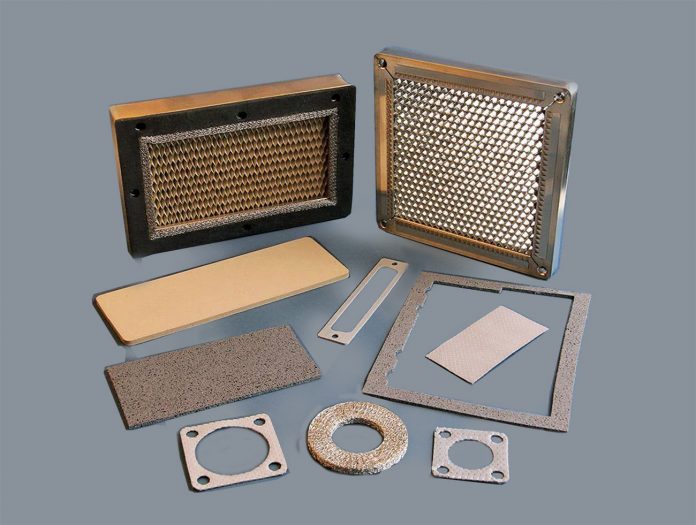
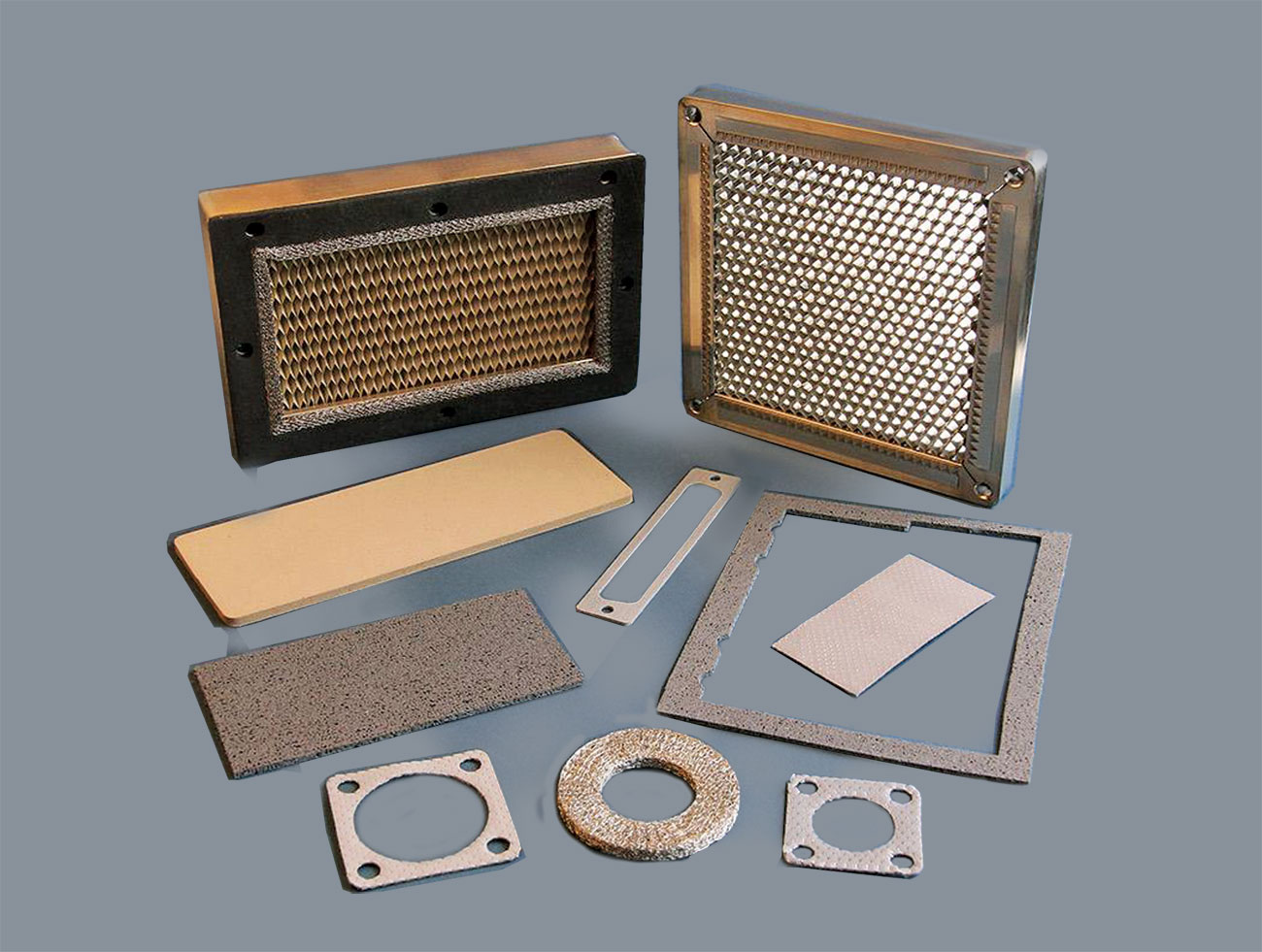
EMI shields come in the form of conductive enclosures that block electromagnetic radiation, specially designed gaskets, conductive paints and coatings, foils and tapes, and EMI filters. Gaskets designed to inhibit EMI include finger-stock gaskets, fabric-over-foam gaskets, mesh gaskets, and gaskets made up of a combination of materials. The goal of each of these shielding approaches is to effectively protect electrical and electronic devices against potentially damaging EMI.
Any industry that uses modern communication devices will need EMI shielding for its equipment. Wireless communication, aerospace, healthcare, automotive, defence, and consumer electronics are just some of the industries that require effective EMI shielding for their electronic systems.
The rapid progress of wireless technology
Due to rapid advances in wireless technology and the ongoing miniaturisation of electronic devices, the EMI shielding industry continues to grow at record rates while facing innumerable new challenges. Advanced developments in Wi-Fi, GPS, 3G, RFID and Bluetooth have led to more complex problems caused by EMI, and hence more opportunities for EMI shielding designers to solve them. Almost all of today’s power electronics systems are built with EMI filtering circuits or include internal EMI filters.
EMI shielding in the auto industry
The need for EMI shielding is undoubtedly increasing within the fast-changing automotive manufacturing industry, too, across the globe. Onboard GPS navigation systems, Bluetooth capabilities, touchscreen entertainment systems and hands-free features have delivered a new level of driver convenience, while also creating more challenges related to unwanted EMI.
The more advanced the electronics in a vehicle becomes, especially for the systems related to engine performance, the more critical is the need for effective EMI shielding. So auto manufacturers are now approaching EMI shielding companies earlier in the design process, seeking smart solutions to emerging shielding needs.
EMI in new vehicles is gradually becoming dense due to the proliferation of electric motors and electronics in the entire vehicle. These motors generate EMI that could interfere with the electronics within the vehicle, and thus require some sort of EMI shielding.
Designing a shield that meets the needs of today’s vehicles can prove expensive to auto manufacturers, but it is a task that should be started as early as possible. If an EMI issue is discovered late in the manufacturing process, and vehicle components are already on assembly lines, production may have to stop while engineers look for a solution to the problem. This would prove to be extremely expensive and could lead to a shielding setup that is not space-efficient.
The EV industry is growing, and hybrid or electric vehicles come with electric drivetrain components that create a lot of EMI. Designers have more EMI to contend with in the case of EVs, and less sheet metal to assist in shielding the vehicle from it. As car manufacturers continue to rely on more non-metallic body materials—and add more electronic/wireless components to vehicle designs—EMI shielding producers will need to look for new ways to solve these challenges while keeping shielding design costs within a reasonable range.
Evolving technologies
Industries like aerospace, military, healthcare and telecommunications are witnessing rapid advances in wireless consumer products as well as in the use of personal drones, tablets, cell phones, laptops, etc. As designers of these products pack more and more features into smaller moulds, the space available for effective EMI shielding also gets smaller. This has led to manufacturers upgrading their design departments or partnering with solutions providers who specialise in niche market needs. For example, a drone manufacturer can now choose a shielding partner based on the latter’s proven success in the drone industry.
Stricter FCC (Federal Communications Commision, USA) regulations are adding to design constraints in new wireless products. EMI shielding specialists need to come up with processes that have higher tolerances fitted within the limited space using thinner/lighter materials, while keeping costs in check. Designers need to choose the shielding strategy that will best suit the given application and successfully prevent external interference. An optimal design needs to consider all essential factors including size, noise ratios, certifications, temperature tolerances and environmental conditions.
The EMI shielding industry expands
Electronic devices are getting sleeker, smaller and more advanced. Driverless cars are a reality. An endless number of wireless components are transmitting signals within increasingly confined spaces. The need for effective EMI shielding is going to become inevitable as the e-world continues to shrink, and the demand for speed and convenience continues to grow. For EMI solutions providers, the key to staying ahead is to get involved in the design process as soon as possible. If interference levels, shielding compliance guidelines, energy stability, and time to market are all considered and addressed long before a product is on the assembly line, the more likely it is that an effective (and cost-efficient) shielding solution can be found.
As the global demand for integrated electronic components increases, the EMI shielding industry will also continue to grow and evolve. Size and cost will remain the biggest challenges to be addressed. Design and regulatory compliance also play large roles in developing shielding solutions. EMI can be found almost anywhere, and it doesn’t take much of it to disrupt the performance of electronic systems. However, with the right materials, design and manufacturing process, successful EMI shielding solutions can be found for even the most complex applications.