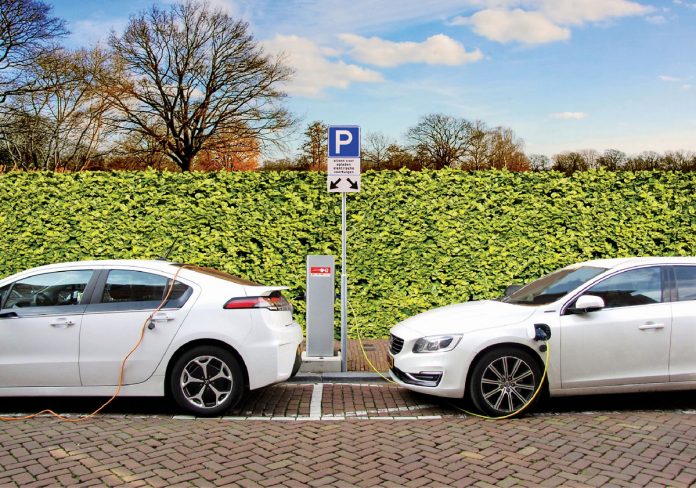

It is impossible to imagine an EV-only fleet on India’s roads without the strong backbone of a charging infrastructure. Even though the sector has attracted the involvement of many conglomerates, demand hasn’t picked up yet and investments are slow.
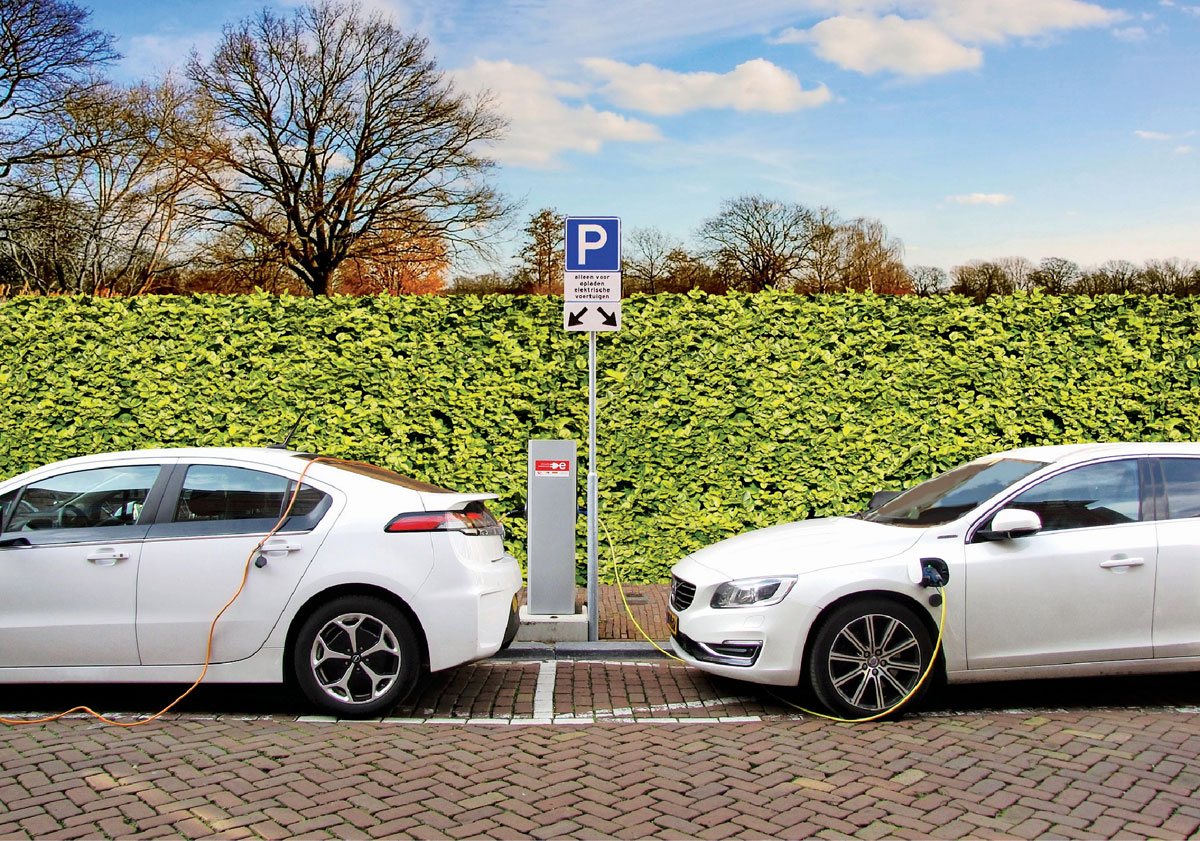
By Shruti Mishra
As the demand for electric vehicles gains momentum globally, many new firms are coming together to develop a concrete supporting infrastructure, which includes charging stations. According to a new research report published by MarketsandMarkets, the global market for EV charging stations is expected to grow from US$ 5.30 billion in 2018 to US$ 30.41 billion by 2023, at a CAGR of 41.8 per cent. The report cites that incentives, subsidies and funding from governments; a hike in demand for EVs, growing concerns about environmental pollution and heavy investments by automakers are driving the global market for EV chargers, worldwide.
In India, too, these key market drivers are working equally well. Recently, the Ministry of Power clarified that no separate licensing is needed for setting up EV charging stations. This is undoubtedly a strong and supportive step for the EV charger business, and will aid the growth of the electric mobility sector in India.
Other initiatives, too, have been taken by both the government and private sector to enhance the required infrastructure in India. The Ministry of Power has already started working towards NITI Aayog’s plan to have only electric cars on the road in India by 2030. The ministry is promoting numerous EV infrastructure initiatives through its various public sector companies (PSUs) such as the National Thermal Power Corporation (NTPC), Bharat Heavy Electricals Ltd (BHEL), Energy Efficiency Services Ltd (EESL) and Rajasthan Electronics (I) Ltd (REIL). Similarly, the Centre has initiated several pilot projects and has already installed 25 charging stations in Bengaluru, with a plan to expand this programme to other metros as well.
Despite such encouragement, India is still far behind the developed world in the setting up of a sustainable environment for both EVs and EV charging stations. Right now, the efforts of the industry are largely focused on launching new variants of EVs, and do not adequately address the need for suitable charging stations. What is worsening the situation is uncertain and unclear government strategies, which are sending mixed signals to investors and preventing the speedy roll-out of support infrastructure.
Let’s take a look at some of the inherent challenges that the Indian EV charging market is facing at present.
The need to generate demand
Although the market for EV chargers is booming globally, it is still at a budding stage in India and is largely restricted to pilot projects. The industry is at present mostly dominated by small and unorganised players because of the limited scale of business and an uncertain commercial model. These companies are too small to set up the complete city-wide charging infrastructure, and are mainly offering home based charging solutions.
There is also a dearth in demand for these stations. Kedar Soman, a partner at PluginIndia (an online forum focused on promoting the use of EVs) explains, “Currently, the number of electric four-wheelers is tiny and they are mostly charged at home. The number of two-wheelers is rising fast, but these have enough charge to cover the daily travel needs for most people. Thus the demand for these charging stations is not there, yet.”
However, experts think that this shortage in demand will be short lived. Once the industry starts rolling out EVs in full swing, home based chargers will lose their market share because of their slow charging rates and low capacity, as compared to the public charging stations. “As the range of electric vehicles increases, more and more outstation trips will be possible, thus increasing the demand for chargers on highways. As the bigger vehicles like SUVs turn electric, we will also need faster chargers for bigger batteries,” Soman adds.
Charging stations that are placed in commercial areas will be used the most. They should be located at spots that will ensure that the EVs stay on the road for longer periods of time. As per the MarketsandMarkets report, setting up charging stations at public places such as shopping malls, commercial buildings, airports and restaurants will provide convenience to the end users. This will definitely increase demand and boost the adoption of electric vehicles in the country.
The investment scenario
Currently, India has just over 200 EV charging stations set up across the country, which is raising a few concerns. If the target set for 2030 is to be reached, then in the coming years, there will be a great need for charging stations. Experts believe that the industry will be able to fulfil this need only when there is a clear-cut policy from the government, which will open the doors for funding.
The biggest roadblock affecting the build-up of EV charging stations in India is the absence of innovative business models. An unclear road map, with ad hoc announcements by OEMs launching their EV fleets, is creating confusion and obstructing the path of investments. To make hassle-free and quick investments, Soman believes that the sector needs to seek clarity from the government on three fronts — the government’s objective for EVs, incentives for promoting the production of EVs, and the electricity tariffs and regulations. He says, “Other factors such as oil prices and the pace of battery tech evolution will determine how economical electric vehicles will become as a mainstream solution both in terms of investments and business activity.”
Experts feel that permitting 100 per cent FDI under the automatic route, as in the automobile sector, will help in attracting foreign investments. The continuation of a free and open market will help promote technology transfers, and will open up the prospects for new business models. Neeraj Kumar Singal, director, Lightyear Infratech, Semco Group, says, “Apart from FDI, there should be public-private partnership as well to support the charging infrastructure because a single organisation will not be able to serve the needs of the whole country.” He adds that if utility companies partner with the private players, it will help them in selling energy and will create a win-win situation for both partners.