
The revised plan also targets 10,000–16,300 MW of battery energy storage capacity by 2030
Vietnam is planning investments of approximately US$136.3 billion in power generation and transmission grids by 2030 to meet rising electricity demand, expand energy storage and strengthen grid infrastructure.
According to Vietnam Electricity (EVN), electricity generation and imports reached 171.54 billion kWh in the first six months of 2026, an increase of 9.85% year-on-year. Peak system load reached a record 57,537 MW during the period.
Under the revised National Power Development Plan VIII (PDP8), Vietnam targets commercial electricity output of around 500.4–557.8 billion kWh and total power generation capacity of 183,291–236,363 MW by 2030. The investment requirement includes approximately US$118.2 billion for power generation and US$18.1 billion for transmission infrastructure.
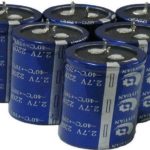
The revised plan also targets 10,000–16,300 MW of battery energy storage capacity by 2030, up significantly from the 300 MW target in the original plan. Utility-scale solar power plants are also required to incorporate battery storage equivalent to at least 10% of their capacity, with a two-hour storage duration.
These targets are expected to increase demand for power conversion systems, energy management solutions, control and safety systems, and energy storage integration services.
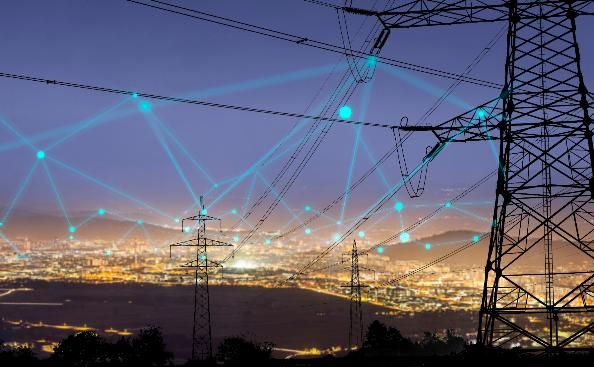
Grid infrastructure development is another priority. Vietnam plans to construct 12,944 km of 500 kV transmission lines and 15,307 km of 220 kV lines between 2025 and 2030. This is expected to create opportunities for suppliers of substation equipment, protection and control systems, engineering services, and digitalised grid operation and maintenance solutions.
EVN and its units started construction on 98 grid projects and energised 100 projects operating at voltages ranging from 110 kV to 500 kV during the first seven months of 2026. Meeting technical standards, delivery schedules and operational requirements is becoming increasingly important for equipment suppliers and engineering service providers.
Vietnam is also seeking to strengthen energy security by diversifying supply sources, expanding renewable energy, increasing storage capacity and upgrading its grid infrastructure. The revised power development plan includes establishing two inter-regional renewable energy industry and service centres by 2030.
These developments are expected to expand opportunities for domestic and international companies supplying power generation equipment, transmission systems, battery storage, renewable energy technologies and related engineering services.