
SIM-binding rule could raise device costs for India’s small businesses.
India’s small businesses could spend more on devices and face disruptions to routine operations under the DoT’s SIM-binding rule, according to a study by Esya Centre.
The Department of Telecommunications’ (DoT) SIM-binding directive could make everyday communication more difficult and expensive for India’s small businesses. A study by technology policy think tank Esya Centre, titled Rethinking India’s SIM Binding Mandate: An Empirical Assessment, found that restrictions on using messaging accounts across multiple devices could affect businesses that depend on these platforms to deal with customers and coordinate employees.
The study surveyed 353 businesses across 17 Indian cities. It found that 92% use companion-device access, while 86% access the same business number from multiple devices.
The disruption could be considerable. Around 78% of respondents said restricting access to a single handset would be extremely or moderately disruptive. Another 83.5% expect delays and operational errors, while 82% said forced logouts could interrupt ongoing communication and workflows.
The financial burden is another concern. While 76.3% of businesses expect a significant financial impact, 58.6% anticipate spending more on devices and equipment. A further 60.6% expect higher workplace expenses, and 55% foresee additional staffing requirements.
The effects could extend to consumers as well. Around 41% of those surveyed said they would get an additional SIM card, while 30.3% indicated they might buy a new device to work around the restrictions.
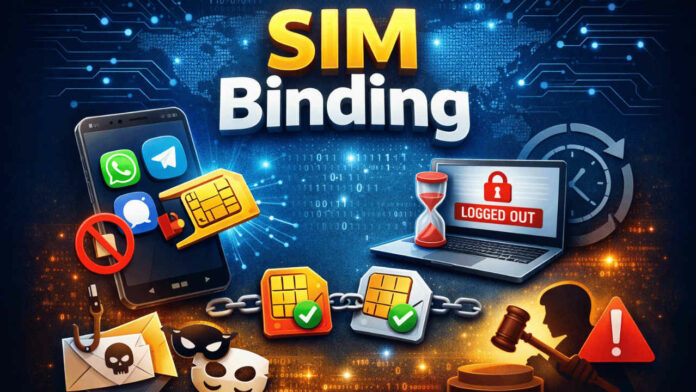
Issued in November 2025, the DoT directive requires internet-based messaging applications to keep user accounts linked to registered SIM cards. Its initial requirement for automatic logout from web sessions every six hours was later replaced with risk-based logouts.
The study also questions whether the measure will deliver meaningful security benefits. While 87.2% of surveyed businesses expressed concern about SIM-related fraud, 81% did not believe SIM binding would significantly improve security. The same view was shared by 59% of surveyed consumers.