




The company is using its new Bengaluru facility to move beyond test instruments into prototype manufacturing, EV testing, and AI-led engineering
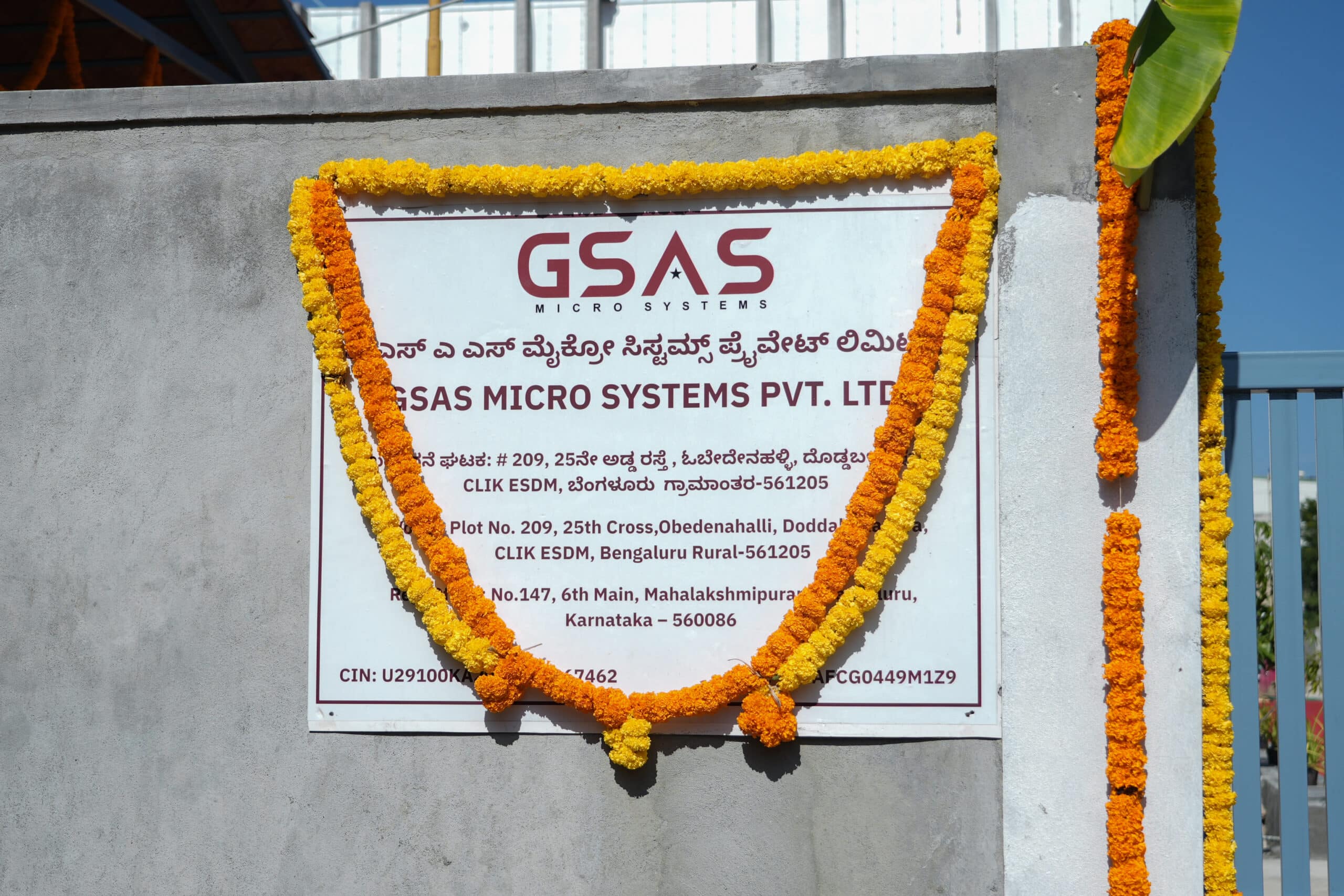
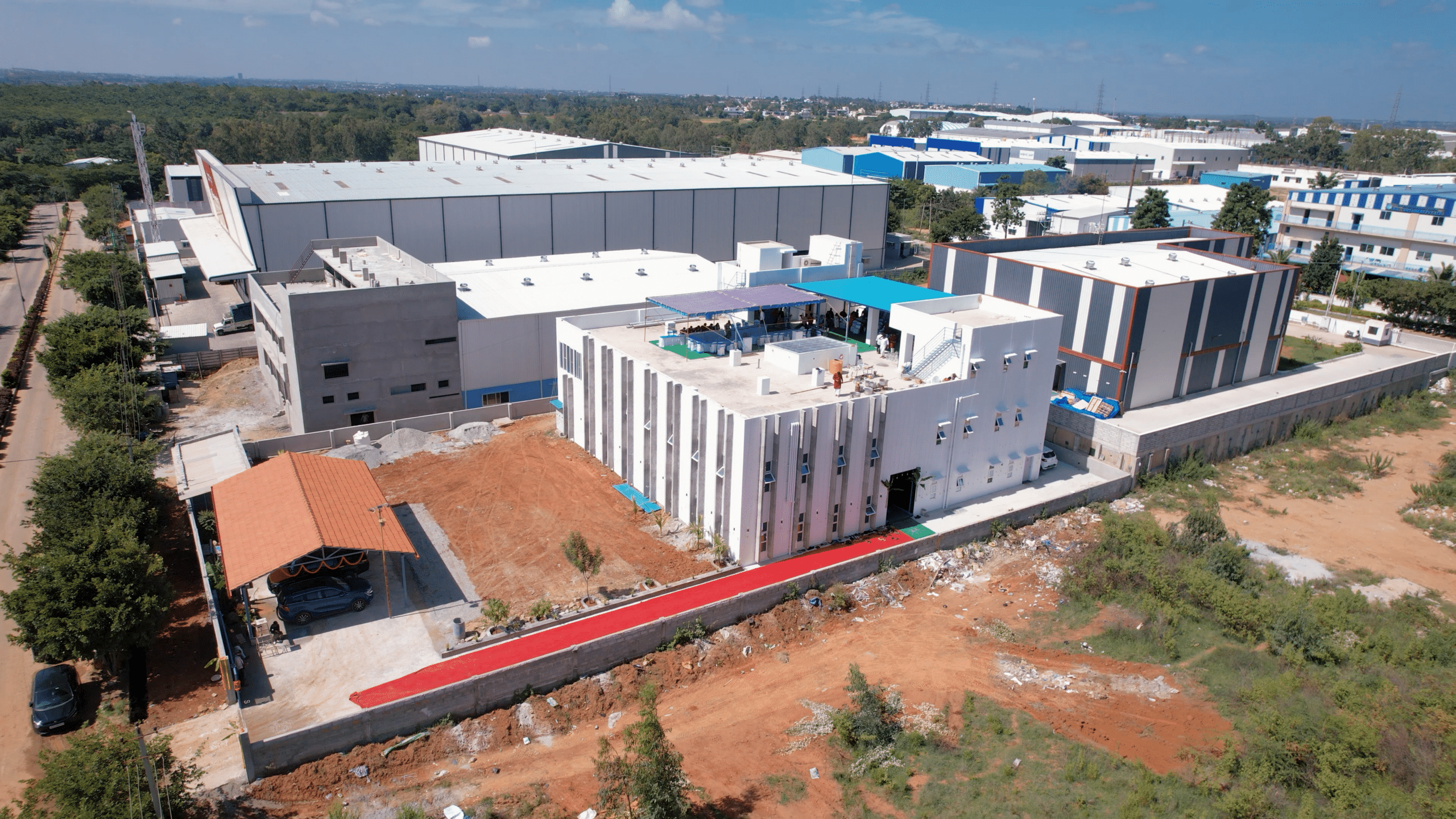
GSAS Micro Systems Private Limited has set up its first dedicated manufacturing and R&D facility in Doddaballapur, North Bengaluru. The 12,000-sq-ft (1115-sq-m approx.) facility, built on half an acre, will bring the company’s existing manufacturing and assembly activities under one roof. The facility is expected to become fully operational within a month, while warehouse and shipping activities have already started.
In an exclusive interaction with Electronics For You, Anvesh Gopalam, Executive Director of GSAS Group, shared that the facility will initially focus on low-volume prototype manufacturing rather than conventional large-scale EMS operations. “We are planning to add a pick-and-place machine and other production equipment to undertake SMT assembly, while also adding rework capabilities”, he added.
The company plans to offer prototype manufacturing services to startups, universities, maker labs, and skill-development centres in addition to manufacturing its own products. It will continue to outsource PCB fabrication while bringing assembly and other manufacturing activities in-house.
The facility will be used for test fixture assembly, test rigs, system integration, climatic chamber testing, and other engineering requirements. It will support testing of EV chargers, batteries, battery management systems (BMS), and battery energy storage systems (BESS), along with in-circuit and functional testing. The company is also developing cable harness testers and end-of-line programming and flashing stations.
GSAS expects the facility to support customers across aerospace, space, automotive, EV, and electronics sectors. “The location was selected partly because of the growing industrial ecosystem in North Bengaluru, as the facility is close to the airport, aerospace companies, and the Foxconn facility”, said Anvesh.
The company particularly sees aerospace and space as a major growth opportunity, supported by Bengaluru’s position as an aerospace and space hub. It also expects demand from automotive and EV customers to grow as global manufacturing supply chains diversify towards India.
A key part of the expansion is GSAS’ move from supplying individual test-and-measurement instruments towards providing complete testing and integration solutions.
The company is also bringing AI into its manufacturing and engineering operations. Anvesh said that around 60% of its workforce is now AI-capable, including its engineering teams.
GSAS is developing AI-based optical inspection that can compare good and defective PCBs and identify issues such as incorrect component orientation or component placement. It is also working on anomaly detection and failure prediction for battery management systems and industrial battery sensors.
Alongside manufacturing expansion, GSAS is preparing to launch its own embedded development board platform.
The first board is based on an Arm Cortex-M4 platform and is designed to provide developers with connectivity and peripherals including Bluetooth, Wi-Fi, LoRa, Ethernet, CAN, I²C, SPI, and a display interface. The company plans to extend the platform to NXP and C-DAC’s Vega RISC-V processors and eventually develop its own FPGA boards.
The company sees Genesis as a niche, lower-cost and potentially customised alternative for embedded developers, including applications involving Indian and homegrown semiconductor platforms.
The new facility is expected to support three major growth areas: manufacturing and products, test and measurement/system integration, and AI-led products.
Anvesh said the company’s target is to achieve 2X growth in three years. The test and measurement/integration business is expected to grow by around 30%, while the company is still at an early stage with its AI and FPGA-AI offerings.
GSAS is also planning to expand its workforce by around 15–20% next year, while continuing to hire both engineering graduates and diploma holders from tier-two cities and rural areas.
The company is not currently targeting large-scale contract manufacturing. Instead, it plans to focus on its own products, engineering, testing, and system integration, while leaving open the possibility of larger ODM opportunities in the future.

